How to Whiten Your Teeth Naturally and Safely at Home: A Step-by-Step Guide
By Crest | Published: 2026-06-23
Category: How-to Guides
Discover safe, natural methods to whiten your teeth at home—plus expert tips on using whitening toothpaste like Crest 3DWhite for best results. Step-by-step routine inside.
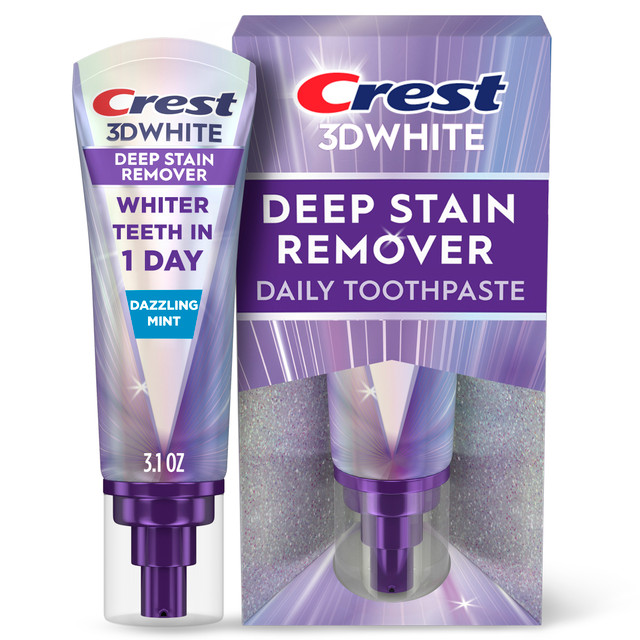
A bright, white smile is one of the first things people notice about you. It signals health, confidence, and approachability. But between coffee, tea, red wine, and everyday wear, our teeth naturally lose their luster over time. While professional whitening treatments can cost hundreds of dollars, many effective, safe options exist for natural teeth whitening right in your own bathroom. In this step-by-step guide, we'll explore proven home teeth whitening techniques—and show you how to amplify your results with the right Crest 3DWhite Brilliance Deep Stain Remover Dazzling Mint Toothpaste, 3.1oz and other Crest products.

Why Teeth Become Discolored
Before diving into whitening methods, it helps to understand why teeth stain. Tooth enamel is porous, meaning it can absorb pigments from food and drink. Common culprits include:
- Dark beverages: Coffee, tea, cola, and red wine contain chromogens that cling to enamel.
- Acidic foods: Citrus and vinegar can soften enamel, making it more susceptible to staining.
- Tobacco use: Smoking or chewing tobacco leaves stubborn yellow or brown stains.
- Aging: Over time, enamel thins and the yellowish dentin underneath shows through.
- Medications: Certain antibiotics and antihistamines can cause intrinsic discoloration.
Natural and safe teeth whitening methods focus on gently lifting surface stains without damaging enamel or irritating gums.
Step 1: Master Your Brushing Technique
The foundation of any home whitening routine is proper brushing. Many people brush too hard or too quickly, missing plaque and stain-causing particles. Follow these tips:
- Use a soft-bristled toothbrush to avoid scratching enamel.
- Brush for a full two minutes—set a timer if needed.
- Angle the brush at 45 degrees toward the gum line.
- Brush in circular motions, not back-and-forth sawing.
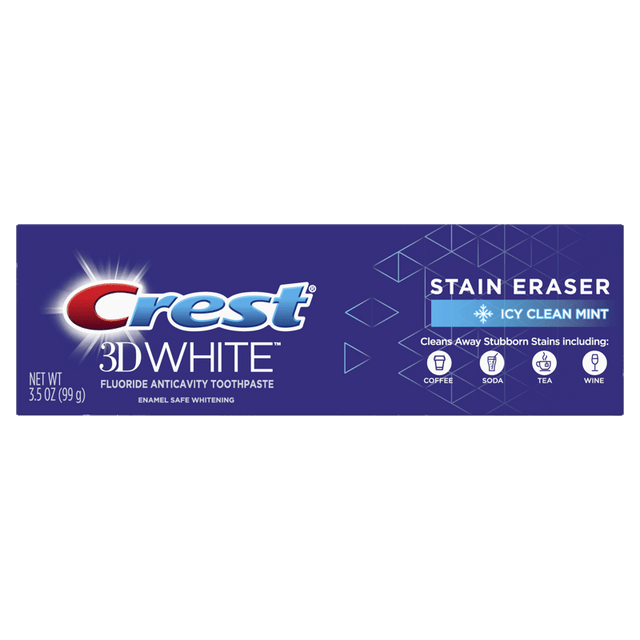
Pair your technique with a high-quality toothpaste designed for stain removal. The Crest 3D White Stain Eraser Whitening Toothpaste Icy Clean uses micro-polishing agents to gently buff away surface stains, making it an excellent daily companion for natural whitening.
Step 2: Try Oil Pulling (Ancient but Effective)
Oil pulling is an Ayurvedic practice where you swish oil in your mouth for 15–20 minutes to reduce bacteria and plaque. While not a direct whitener, it helps remove the sticky biofilm that traps stains.
- Best oils: Coconut oil (most popular), sesame oil, or sunflower oil.
- How to do it: Take 1 tablespoon of oil, swish gently without swallowing, then spit into the trash (not the sink—it can clog pipes). Rinse with warm water and brush as usual.
For best results, practice oil pulling 3–4 times per week in the morning before eating. It’s safe for all ages and has additional benefits for gum health.
Step 3: Use Baking Soda (With Caution)
Baking soda is a mild abrasive that can polish away surface stains. Many commercial toothpastes already contain it, but you can make a simple paste at home:
- Mix 1 teaspoon baking soda with enough water to form a paste.
- Apply to your toothbrush and brush gently for 1 minute.
- Rinse thoroughly.
Important: Limit baking soda use to once or twice a week. Overuse can wear down enamel, leading to increased sensitivity. If you prefer a ready-made option, look for a formula that includes baking soda in a balanced concentration.
Step 4: Incorporate Hydrogen Peroxide (Low Concentration)
Hydrogen peroxide is a natural bleaching agent found in many whitening products. At home, use a 1.5% or 3% solution—never higher—and dilute it with equal parts water to minimize irritation.
- Method: Swish diluted peroxide in your mouth for 30–60 seconds, then spit out. Do not swallow.
- Follow up with a fluoride toothpaste to re-mineralize enamel.
- Alternative: Make a paste by mixing baking soda with a few drops of hydrogen peroxide instead of water.
Again, moderation is key—use this treatment no more than 2–3 times per week. For a safer, regulated approach, consider a specialized whitening toothpaste that incorporates gentle bleaching agents alongside fluoride.
Step 5: Eat a “White Smile” Diet
What you eat can either stain or un-stain your teeth. Incorporate these natural stain fighters:
- Strawberries: Contain malic acid, which may help remove discoloration. (Just rinse afterward—the acid can soften enamel.)
- Apples, celery, and carrots: Their crunchiness increases saliva production, which naturally washes away debris.
- Dairy products: Cheese, yogurt, and milk contain lactic acid and calcium, which strengthen enamel and may reduce staining.
- Water: Drink plenty after meals to rinse away pigment before it sets.
Avoid or minimize stain-causing foods and drinks, or use a straw to bypass front teeth. If you indulge, follow up with a glass of water or a quick brush.
Step 6: Choose the Right Whitening Toothpaste
Not all toothpastes are created equal. For safe, effective whitening at home, look for these ingredients on the label:
- Silica or hydrated silica: Gentle abrasive that polishes stains.
- Sodium bicarbonate (baking soda): Mild abrasive and deodorizer.
- Hydrogen peroxide or carbamide peroxide: Low-concentration bleaching agents.
- Calcium phosphate or fluoride: Strengthens enamel and fights sensitivity.
Crest offers a range of whitening toothpastes that combine these ingredients with expert formulation. The Crest 3DWhite Brilliance Deep Stain Remover Dazzling Mint Toothpaste, 3.1oz uses patented Deep Stain Remover technology to lift stains without harsh abrasives. For a refreshing, all-in-one solution, the Crest 3D White Stain Eraser Whitening Toothpaste Icy Clean provides a cooling sensation while you whiten.
Step 7: Establish a Consistent Routine
Whitening is not a one-time event—it requires consistency. Here’s a sample weekly schedule:
| Day | Morning Routine | Evening Routine |
|---|---|---|
| Monday | Brush with whitening toothpaste | Oil pulling + brush with fluoride toothpaste |
| Tuesday | Brush with whitening toothpaste | Brush with whitening toothpaste |
| Wednesday | Brush with whitening toothpaste | Baking soda paste (gentle) + rinse |
| Thursday | Brush with whitening toothpaste | Brush with fluoride toothpaste |
| Friday | Brush with whitening toothpaste | Hydrogen peroxide rinse (diluted) + brush |
| Saturday | Brush with whitening toothpaste | Oil pulling + brush |
| Sunday | Brush with fluoride toothpaste | Brush with whitening toothpaste |
Notice that whitening toothpaste is used most days, while stronger treatments are spaced out to protect enamel. This balanced approach ensures safe, gradual improvement.
Common Mistakes That Damage Teeth
Many at-home whitening attempts go wrong. Avoid these pitfalls:
- Over-using acidic ingredients: Lemon juice or apple cider vinegar can erode enamel quickly. Never use them undiluted or for longer than a few seconds.
- Brushing immediately after acidic foods: Wait at least 30 minutes to avoid scrubbing softened enamel.
- Using charcoal powder excessively: Charcoal is abrasive and can wear down enamel if used daily. Limit to once a week.
- Skipping fluoride: Fluoride is essential for remineralizing enamel after whitening. Always use a fluoride-based toothpaste or mouthwash.
When to See a Dentist
Natural methods work best for surface stains. If your teeth are deeply discolored—due to medication, trauma, or aging—you may need professional intervention. Signs to visit your dentist include:
- Stains that don't improve after 6–8 weeks of consistent home care.
- Tooth sensitivity that persists or worsens.
- Uneven discoloration or white spots.
- Pain or gum irritation during whitening.
A dentist can recommend custom trays, professional-grade gels, or alternative treatments like bonding or veneers.
Final Thoughts on Safe Natural Whitening
Whiter teeth are achievable without expensive procedures or harsh chemicals. By combining simple home remedies—oil pulling, baking soda, hydrogen peroxide—with a high-quality whitening toothpaste, you can see noticeable results in 2–4 weeks. The key is patience, consistency, and protecting your enamel.
Ready to brighten your smile safely? Explore the full range of Crest 3DWhite Brilliance Deep Stain Remover Dazzling Mint Toothpaste, 3.1oz to start your whitening journey today. Your smile will thank you.