The Complete Guide to Choosing the Right Toothpaste for Your Needs
By Crest | Published: 2026-06-23
Category: How-to Guides
Discover how to select the best toothpaste for sensitive teeth, whitening, or family use. Our expert guide covers ingredients, fluoride, and top Crest picks.
Walking down the oral care aisle can be overwhelming. With dozens of options promising whiter teeth, fresher breath, and stronger enamel, how do you know which tube is right for you? The truth is, the best toothpaste isn't the same for everyone. Your choice should depend on your unique dental health needs, lifestyle, and even your taste preferences. This comprehensive toothpaste selection guide will break down everything you need to know about choosing toothpaste—from active ingredients to specific formulations like toothpaste for sensitive teeth and whitening toothpaste—so you can make an informed decision that supports a lifetime of healthy smiles.
Why the Right Toothpaste Matters
Toothpaste isn't just a minty gel that makes your mouth feel clean. It's a carefully formulated product designed to remove plaque, fight cavities, strengthen enamel, and address specific oral health concerns. Using the wrong type can leave you with persistent sensitivity, staining, or even gum irritation. According to the American Dental Association (ADA), the most important feature of any toothpaste is that it contains fluoride, a mineral that helps prevent cavities by making tooth enamel more resistant to acid attacks. But fluoride is just the starting point. Modern toothpastes also include abrasives for cleaning, detergents for foaming, and specialized active ingredients for targeted benefits.
Key Factors to Consider When Choosing Toothpaste
1. Fluoride Content: The Non-Negotiable Ingredient
Fluoride is the gold standard for cavity prevention. Almost all ADA-accepted toothpastes contain fluoride, usually in the form of sodium fluoride, stannous fluoride, or sodium monofluorophosphate. For most adults and children over age three, a toothpaste with 1,000–1,500 parts per million (ppm) fluoride is ideal. If you are prone to cavities or have dry mouth, your dentist may recommend a high-fluoride prescription toothpaste. Always check the label—many natural toothpastes claim to be fluoride-free, but without fluoride, you miss out on critical protection against decay.
2. Abrasivity: Finding the Balance
Abrasives like hydrated silica or calcium carbonate help scrub away plaque and surface stains. However, too much abrasion can wear down enamel over time. The Relative Dentin Abrasivity (RDA) scale rates toothpaste abrasiveness from 0 to 250. For everyday use, look for a toothpaste with an RDA below 150. Whitening toothpastes often have higher RDA values, but modern formulations balance effectiveness with safety. If you have sensitive teeth or exposed roots, choose a low-abrasion toothpaste.
3. Desensitizing Agents for Sensitive Teeth
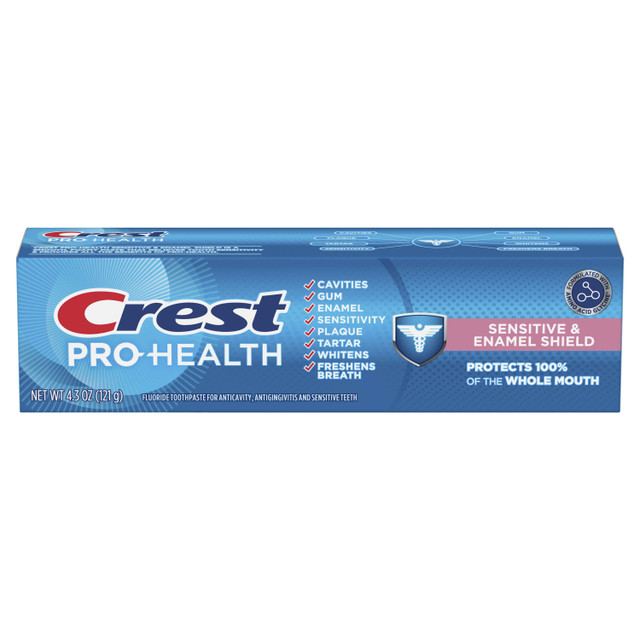
If you experience a sharp, sudden pain when eating hot, cold, or sweet foods, you may have dentin hypersensitivity. Toothpaste for sensitive teeth typically contains potassium nitrate or stannous fluoride, which block the microscopic tubules in your dentin that lead to nerve endings. These ingredients build a protective barrier over time, reducing pain with consistent use. For example, Crest Pro-Health Sensitivity + Enamel Shield Toothpaste is specifically formulated to provide relief while also strengthening enamel. You may notice improvement after several weeks of regular brushing.
4. Whitening Ingredients: Stain Removal vs. Bleaching
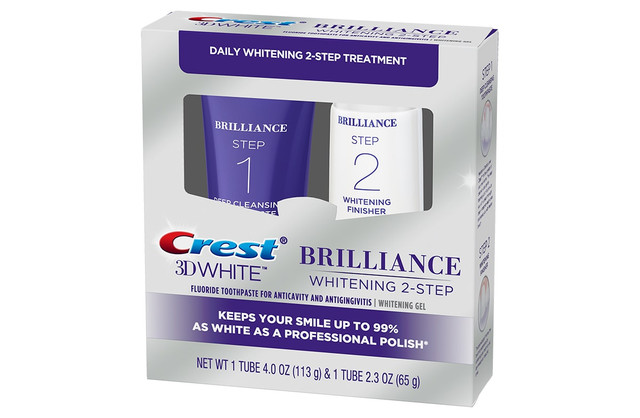
Whitening toothpaste works by removing surface stains from coffee, tea, red wine, and smoking. Most contain mild abrasives or chemical agents like sodium tripolyphosphate to break down stains. However, they do not change the natural color of your teeth like professional bleaching gels. For noticeable whitening, look for a toothpaste with peroxide or a two-step system. A popular option is Crest 3D White Brilliance 2 Step Toothpaste, which uses a deep-cleaning first step followed by a whitening second step to lift stubborn stains and brighten enamel.
5. Flavor and Texture: Don't Overlook the Experience
If you dislike the taste or feel of your toothpaste, you're less likely to brush for the full two minutes. The oral care market offers a wide range of flavors—mint, bubblegum, citrus, and even charcoal. For adults who prefer a classic, clean sensation, a peppermint-based toothpaste like Crest Toothpaste Clean Breath Peppermint provides long-lasting freshness. For children, fun flavors can make brushing a more enjoyable routine.
Understanding Different Toothpaste Categories
Anti-Cavity Toothpaste
Standard fluoride toothpaste is designed primarily to prevent cavities. It is the most common type and suitable for the whole family. Most mainstream products, including many Crest varieties, fall into this category. If you have no specific concerns like sensitivity or staining, this is your safe bet.
Whitening Toothpaste
Whitening toothpastes contain mild abrasives and chemical agents that polish away surface stains. They are not as strong as in-office treatments but can maintain results over time. For deeper whitening, consider a system like Crest 3DWhite Brilliance Deep Stain Remover Dazzling Mint Toothpaste, 2.1oz, which is designed to tackle tough coffee and tea stains without damaging enamel.
Sensitive Teeth Toothpaste
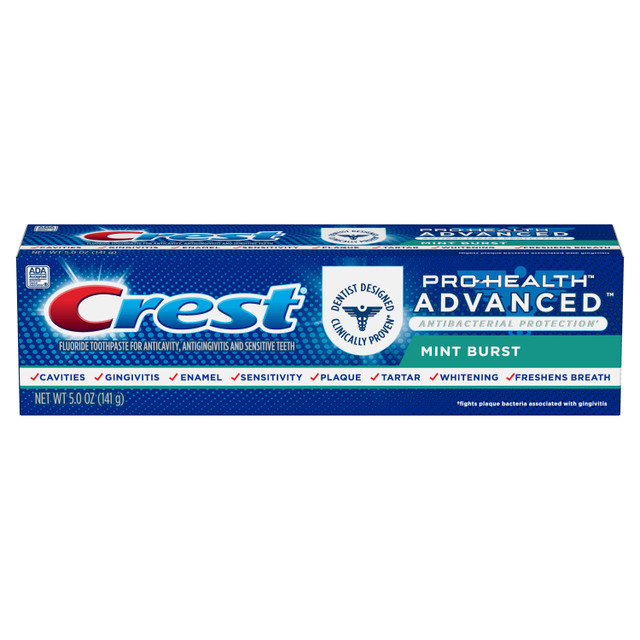
As mentioned earlier, these toothpastes block pain signals from the tooth nerve. They are typically lower in abrasives and may contain potassium nitrate or stannous fluoride. If you have gum recession or enamel erosion, this category is essential. Crest Pro-Health Advanced Sensitive Relief Toothpaste offers advanced relief while also protecting against cavities and plaque.
Gum Health Toothpaste
Some toothpastes target gum inflammation and bleeding by including antibacterial agents like stannous fluoride or triclosan (though triclosan is increasingly rare). They help reduce plaque buildup along the gumline and can be a good choice for anyone with early-stage gum disease or a history of gingivitis.
Kids' Toothpaste
Children's toothpaste has lower fluoride levels (around 500–1,000 ppm) and comes in flavors that appeal to young palates. For example, Crest Kids Toothpaste with Fluoride, Disney Princess, Bubblegum Flavor, 4.2oz, 3+ makes brushing fun while providing cavity protection. For kids who love superheroes, Crest Kids Toothpaste with Fluoride, MARVEL Spider-Man, Strawberry Flavor, 4.2oz Pump, 3+ encourages consistent brushing with a favorite character.
How to Choose Toothpaste for Your Specific Needs: A Decision Table
| Your Concern | Look For | Example Product |
|---|---|---|
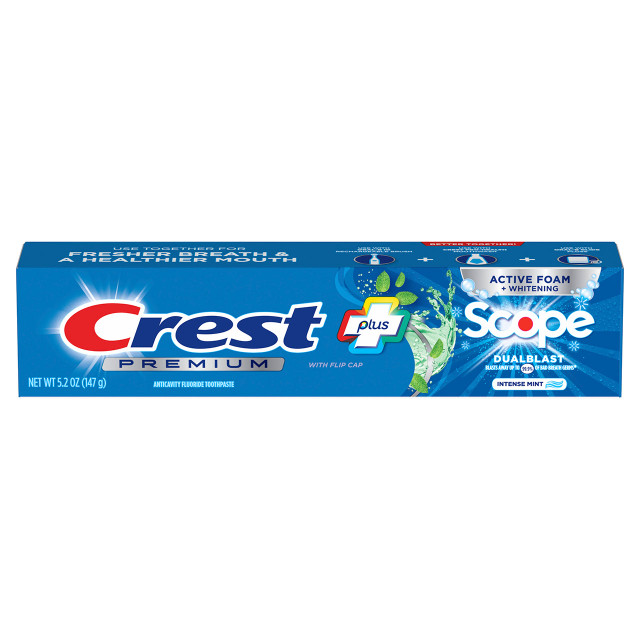
| General cavity prevention | Fluoride (1,000+ ppm), ADA Seal | Crest Pro-Health Toothpaste with a Touch of Scope |
| Surface stains / yellowing | Silica or peroxide, low abrasion | Crest 3DWhite Whitening Toothpaste, Advanced Deep Clean |
| Tooth sensitivity | Potassium nitrate or stannous fluoride | Crest Pro-Health Sensitivity + Enamel Shield Toothpaste |
| Fresh breath all day | Zinc or essential oils like peppermint | Crest Toothpaste Clean Breath Peppermint |
| Kids (ages 3-6) | Lower fluoride, fun flavor, character branding | Crest Kids Toothpaste with Fluoride, Disney Princess |
| Deep whitening | Two-step system or high stain removal | Crest 3D White Brilliance 2 Step Toothpaste |
Common Myths About Toothpaste Debunked
Myth: Whitening toothpaste damages enamel.
Fact: Modern whitening toothpastes are formulated to be safe for daily use. While some older, high-abrasion formulas could cause wear, today's products like Crest 3DWhite are tested to be gentle yet effective. Always look for the ADA Seal of Acceptance for safety assurance.
Myth: More toothpaste means cleaner teeth.
Fact: A pea-sized amount (about the size of a grain of rice for children, a pea for adults) is all you need. Excess toothpaste can lead to foaming too quickly, causing you to spit out before the full two minutes—and it may increase fluoride ingestion, especially in kids.
Myth: Natural toothpaste is always better.
Fact: Natural toothpastes often lack fluoride, which is the most proven cavity fighter. If you choose a natural brand, ensure it contains an alternative like xylitol or nano-hydroxyapatite, but understand it may not provide the same level of protection as fluoride-based options.
Tips for Maximizing Your Toothpaste's Effectiveness
- Brush for two full minutes twice a day. Set a timer or use an electric toothbrush with a built-in timer.
- Don't rinse immediately after brushing. Spit out excess foam but avoid rinsing with water for at least 30 minutes to allow fluoride to absorb.
- Store your toothpaste upright in a cool, dry place to prevent contamination and preserve active ingredients.
- Replace your toothbrush every 3–4 months or sooner if bristles are frayed. A worn brush reduces cleaning effectiveness.
- Pair with a fluoride mouthwash for added protection, but use it at a different time of day (e.g., after lunch) to avoid over-concentrating fluoride.
When to Consult Your Dentist
While this guide covers the basics, your dentist is your best resource for personalized recommendations. If you experience persistent sensitivity, bleeding gums, or sudden staining, schedule a checkup. Your dentist can identify underlying issues like cavities, gum disease, or enamel erosion that may require prescription-strength toothpaste or professional treatment. They can also help you choose between stannous fluoride and sodium fluoride based on your sensitivity and decay risk.
Final Thoughts: Make the Right Choice for Your Smile
Choosing the right toothpaste is a small but impactful decision. By understanding your primary oral health concern—whether it's sensitivity, staining, cavity prevention, or fresh breath—you can narrow down the options and pick a product that delivers real results. Remember to always look for the ADA Seal of Acceptance on the packaging, which indicates the product has been tested for safety and efficacy.
Ready to upgrade your oral care routine? Explore the full range of Crest toothpastes designed for every need. For a versatile everyday option that combines cavity protection with fresh breath, check out Crest Pro-Health Toothpaste with a Touch of Scope. It's a great starting point for anyone who wants comprehensive care in one tube.