How to Maintain Oral Hygiene with the Right Toothpaste and Brushing Routine
By Crest | Published: 2026-06-23
Category: How-to Guides
Discover essential oral hygiene tips and learn how to choose the right toothpaste for your needs. This guide covers proper brushing technique, fluoride toothpaste benefits, and building an effective oral care routine.
Maintaining good oral hygiene is more than just a daily habit—it's a cornerstone of overall health. A bright, healthy smile boosts confidence and prevents issues like cavities, gum disease, and bad breath. Yet, many people overlook the importance of selecting the right toothpaste and mastering a proper brushing routine. In this comprehensive guide, we'll walk you through actionable oral hygiene tips, explain the benefits of fluoride toothpaste, and help you build an effective oral care routine that fits your lifestyle.
Why Oral Hygiene Matters
Poor oral hygiene can lead to a cascade of health problems. Bacteria from plaque buildup can cause tooth decay and gum inflammation, which has been linked to heart disease, diabetes, and respiratory infections. According to the American Dental Association (ADA), brushing twice a day with fluoride toothpaste and flossing daily are the foundations of a healthy mouth. But not all toothpastes are created equal—choosing the right one can make a significant difference in your oral care routine.
Understanding Toothpaste Ingredients
Fluoride Toothpaste Benefits
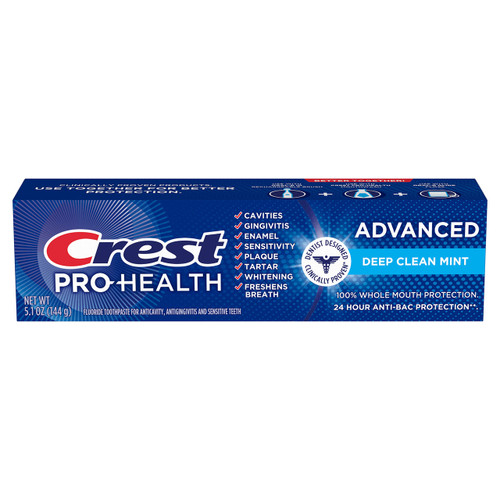
Fluoride is the most important ingredient in toothpaste. It strengthens tooth enamel, making it more resistant to acid attacks from bacteria and sugars. Clinical studies show that fluoride reduces cavities by up to 25% in both children and adults. When selecting a toothpaste, always check the label for fluoride content—most ADA-approved brands contain between 1,000 and 1,500 ppm of fluoride. For example, Crest Pro-Health Advanced Deep Clean Mint Toothpaste is formulated with fluoride to fight cavities while providing deep cleaning action.
Abrasives and Whitening Agents
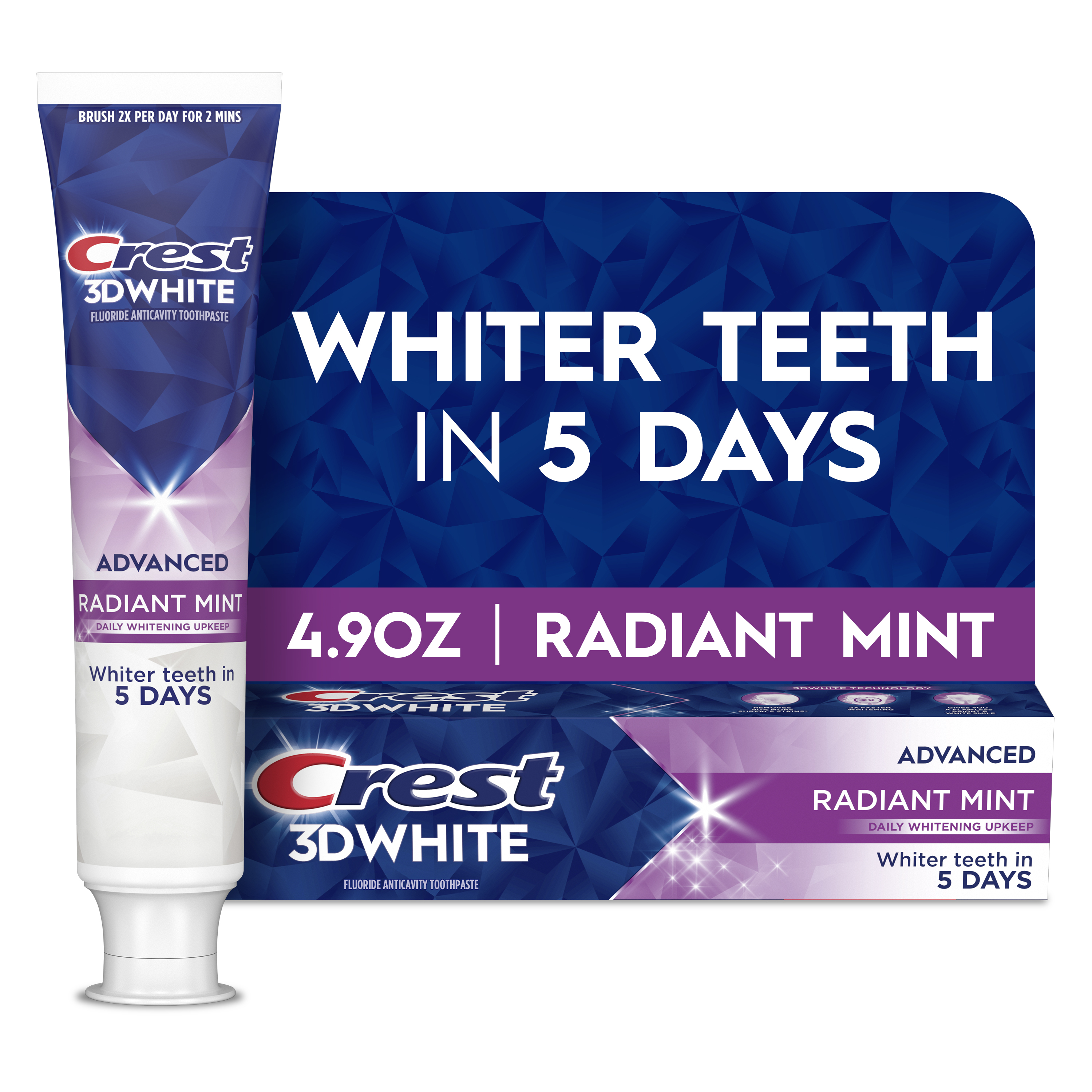
Toothpastes also contain mild abrasives like silica or calcium carbonate to remove surface stains. Whitening toothpastes often include hydrogen peroxide or baking soda for extra stain removal. However, excessive abrasion can wear down enamel over time. For safe whitening, consider Crest 3DWhite Whitening Toothpaste, Advanced Radiant Mint, which uses gentle polishing agents to lift stains without damaging enamel.
Other Key Ingredients
- Antibacterial agents: Triclosan or stannous fluoride help reduce plaque and gingivitis.
- Desensitizing agents: Potassium nitrate or strontium chloride can relieve tooth sensitivity.
- Natural extracts: Some toothpastes include tea tree oil or aloe vera for soothing effects.
How to Choose the Right Toothpaste for Your Needs
With so many options on the market, finding the perfect toothpaste can be overwhelming. Here's a breakdown based on common oral health concerns:
| Concern | Recommended Toothpaste Type | Key Ingredient |
|---|---|---|
| Cavity prevention | Fluoride toothpaste | Sodium fluoride |
| Whitening | Whitening toothpaste | Hydrogen peroxide |
| Sensitivity | Desensitizing toothpaste | Potassium nitrate |
| Gum health | Antibacterial toothpaste | Stannous fluoride |
| Fresh breath | Breath-freshening toothpaste | Zinc or essential oils |
For families with young children, it's important to choose a kid-friendly option with lower fluoride concentration. Crest Kids Toothpaste with Fluoride, Mickey, Strawberry Flavor, 4.2oz, 3+ is designed for children ages 3 and up, offering cavity protection with a fun taste that encourages brushing.
Proper Brushing Technique: Step-by-Step Guide
Even the best toothpaste won't work if you don't brush correctly. Follow these steps for an effective oral care routine:
- Choose the right toothbrush: Use a soft-bristled brush to avoid damaging gums and enamel. Replace it every 3–4 months or sooner if bristles fray.
- Apply toothpaste: Use a pea-sized amount for adults and a rice-sized amount for children under 6.
- Position the brush: Hold your toothbrush at a 45-degree angle to your gums.
- Brush gently: Use short, circular motions. Brush the outer surfaces, inner surfaces, and chewing surfaces of all teeth. Don't forget your tongue to remove bacteria.
- Time it right: Brush for a full two minutes twice a day. Set a timer or use an electric toothbrush with a built-in timer.
- Rinse and store: Rinse your mouth and toothbrush thoroughly. Store the brush upright to air-dry.
Building a Complete Oral Care Routine
A comprehensive oral hygiene routine goes beyond brushing. Incorporate these steps for optimal health:
Flossing
Floss at least once a day to remove plaque and food particles between teeth where your brush can't reach. Use about 18 inches of floss, winding it around your fingers, and glide it gently between each tooth in a C-shape.
Mouthwash
An antimicrobial mouthwash can reduce plaque and freshen breath. Look for one with fluoride for added cavity protection. Swish for 30–60 seconds after brushing and flossing.
Diet and Lifestyle
Limit sugary snacks and acidic drinks, which erode enamel. Drink plenty of water, especially fluoridated water, to wash away debris. Chewing sugar-free gum after meals can stimulate saliva production, a natural defense against cavities.
Common Mistakes to Avoid
- Brushing too hard: This can wear down enamel and cause gum recession. Use gentle pressure.
- Rushing: Many people brush for less than 45 seconds. Extend to two full minutes.
- Using an old toothbrush: Worn bristles are less effective and can harbor bacteria.
- Skipping the tongue: Your tongue hosts millions of bacteria that cause bad breath.
- Not changing toothpaste regularly: Your needs may change over time—switch if you experience sensitivity or staining.
Tips for Different Age Groups
Children
Start brushing as soon as the first tooth appears. Use a soft, age-appropriate toothbrush and a smear of fluoride toothpaste. Supervise brushing until age 6 to prevent swallowing. Fun flavors like strawberry from Crest Kids Toothpaste with Fluoride, Mickey, Strawberry Flavor can make brushing enjoyable.
Adults
Focus on preventing gum disease and maintaining whiteness. Consider a whitening toothpaste like Crest 3DWhite Whitening Toothpaste, Advanced Radiant Mint if you consume coffee or tea regularly.
Seniors
Dry mouth is common due to medications. Use a fluoride toothpaste and consider a moisturizing mouthwash. Regular dental check-ups are crucial.
The Role of Regular Dental Visits
Even with perfect at-home care, professional cleanings every six months are essential. Dentists can remove tartar buildup, detect early signs of decay, and provide personalized advice. They may also recommend prescription-strength fluoride toothpaste for high-risk patients.
Eco-Friendly Oral Care Options
Sustainability is becoming a priority in oral care. Look for toothbrushes made from bamboo or recycled materials, and toothpaste tablets or powders with minimal packaging. While not a substitute for fluoride, these options can reduce plastic waste.
In conclusion, mastering your oral hygiene routine starts with understanding the role of toothpaste and perfecting your brushing technique. By choosing the right product for your needs—whether it's cavity protection, whitening, or sensitivity relief—you set the foundation for a lifetime of healthy smiles.
Ready to upgrade your oral care routine? Explore the Crest Pro-Health Advanced Deep Clean Mint Toothpaste for deep cleaning with cavity protection, or browse our full collection of trusted Crest products to find your perfect match.