Whitening Toothpaste vs. Charcoal Toothpaste: Which Works Better for a Brighter Smile?
By Crest | Published: 2026-06-25
Category: Product Reviews
Wondering whether whitening toothpaste or charcoal toothpaste is more effective? Compare Crest 3D White formulas, charcoal benefits, and real results to choose the best option for your smile.
When it comes to achieving a brighter, whiter smile, the options can feel overwhelming. Two of the most popular choices in the oral care aisle are whitening toothpaste and charcoal toothpaste. But which one actually works better? In this teeth whitening comparison, we’ll break down the science, the ingredients, and the real-world results so you can make an informed decision. Whether you’re dealing with surface stains from coffee or deeper discoloration, understanding the pros and cons of each type will help you choose the right product for your routine.
How Whitening Toothpaste Works
Whitening toothpaste, like those in the Crest 3D White line, typically uses mild abrasives and chemical agents to remove surface stains. Common abrasives include hydrated silica or calcium carbonate, which gently polish the enamel. Many formulas also contain chemical stain removers such as sodium hexametaphosphate or hydrogen peroxide to break down discoloration. The result is a gradual lightening of the teeth over time, with noticeable improvement after a few weeks of consistent use.
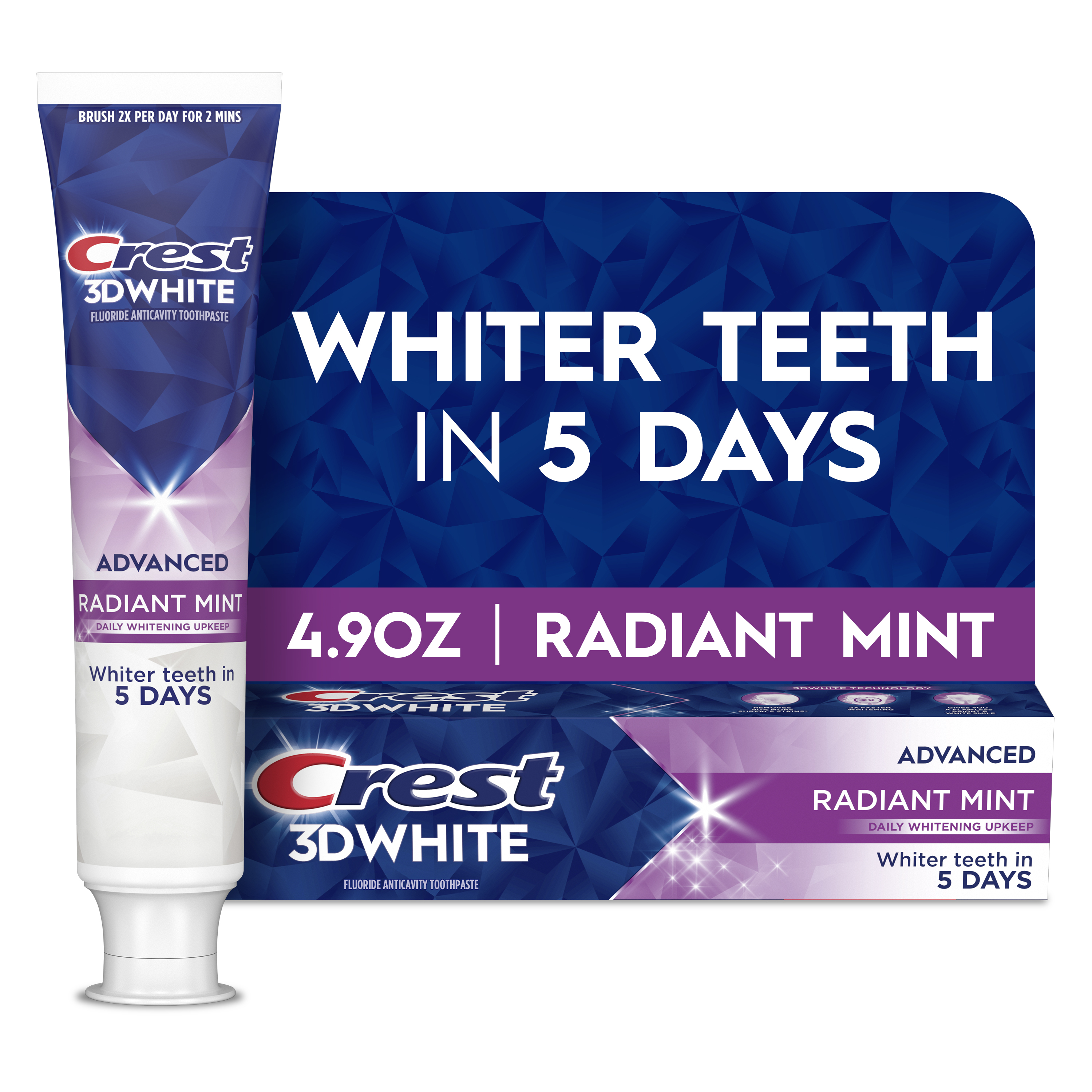
One of the most effective options in this category is Crest 3DWhite Whitening Toothpaste, Advanced Radiant Mint. This toothpaste combines advanced stain-fighting technology with a refreshing mint flavor, making it a go-to for daily whitening without sensitivity. It targets everyday stains from coffee, tea, and wine, helping to restore your teeth’s natural whiteness.

How Charcoal Toothpaste Works
Charcoal toothpaste, on the other hand, relies on activated charcoal as its primary active ingredient. Activated charcoal is highly porous and is believed to absorb toxins, bacteria, and surface stains from the teeth. When you brush with charcoal toothpaste, the fine particles bind to stain molecules, which are then rinsed away. Proponents claim that charcoal toothpaste can remove deep stains and even improve gum health, but the scientific evidence is mixed.
While charcoal toothpaste can be effective for surface stains, it is also more abrasive than many whitening toothpastes. Over time, excessive abrasion can wear down enamel, leading to increased sensitivity and a duller appearance. This is why many dentists caution against using charcoal toothpaste for extended periods. If you do choose charcoal, it’s best to use it sparingly—perhaps a few times per week—rather than as your daily toothpaste.
Key Differences: Whitening Toothpaste vs. Charcoal Toothpaste
To help you compare, here’s a quick breakdown of the main differences between these two types of toothpaste:
| Aspect | Whitening Toothpaste | Charcoal Toothpaste |
|---|---|---|
| Active Ingredients | Abrasives (silica), chemical stain removers (hexametaphosphate, peroxide) | Activated charcoal (absorbent) |
| Stain Removal Mechanism | Polishing and chemical breakdown of stains | Absorption of surface stains and impurities |
| Abrasiveness | Low to moderate (safe for daily use) | Higher (can damage enamel with overuse) |
| Effectiveness for Deep Stains | Gradual, noticeable over weeks | Fast initial results, but limited for deep stains |
| Safety for Enamel | Generally safe for daily use | Risk of enamel wear if used too often |
| Fluoride Content | Often includes fluoride for cavity protection | Rarely includes fluoride (check labels) |
| Best For | Daily maintenance and gradual whitening | Occasional deep cleaning or stain removal |
What the Science Says About Charcoal Toothpaste Benefits
Proponents of charcoal toothpaste often highlight its natural origins and ability to absorb toxins. Activated charcoal is used in medical settings for poison absorption, but its effectiveness in toothpaste is less clear. A 2017 study published in the Journal of the American Dental Association found that charcoal toothpaste was more abrasive than standard whitening toothpaste and did not significantly improve whitening compared to fluoride toothpaste. Additionally, many charcoal toothpastes lack fluoride, which is essential for cavity prevention. This is a significant drawback, as fluoride helps remineralize enamel and protect against decay.
However, there are some charcoal toothpaste benefits that enthusiasts swear by, such as a fresher feeling mouth and reduced plaque buildup in the short term. If you’re curious, you can try using it once or twice a week as a supplement to your regular routine—but don’t rely on it as your primary whitening solution.
Why Crest 3D White Toothpaste Stands Out
Crest has long been a leader in the whitening toothpaste category, offering science-backed formulas that deliver real results. Unlike charcoal toothpaste, which often lacks clinical evidence, Crest 3D White products are tested for safety and efficacy. For example, Crest 3DWhite Brilliance Deep Stain Remover Ultra White Toothpaste, 3.1oz is specifically designed to tackle stubborn stains. It uses a unique combination of polishing silica and stain-fighting agents to remove up to 90% of surface stains in just one week. This makes it a powerful tool for anyone looking to brighten their smile quickly without resorting to harsh abrasives.
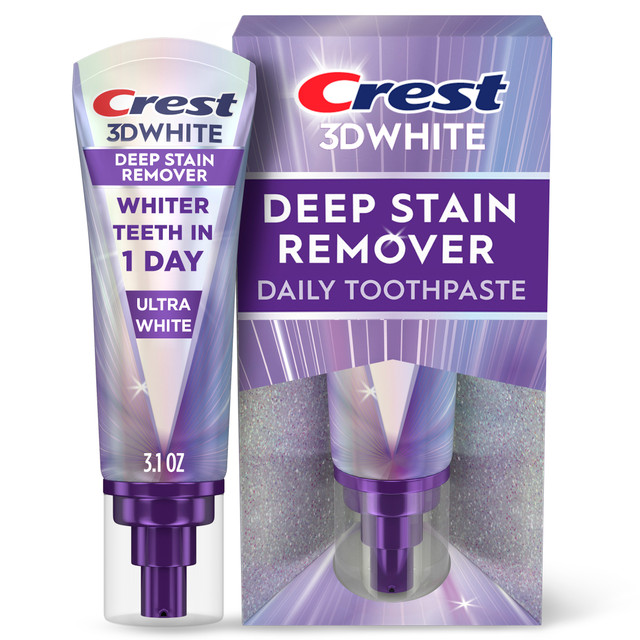
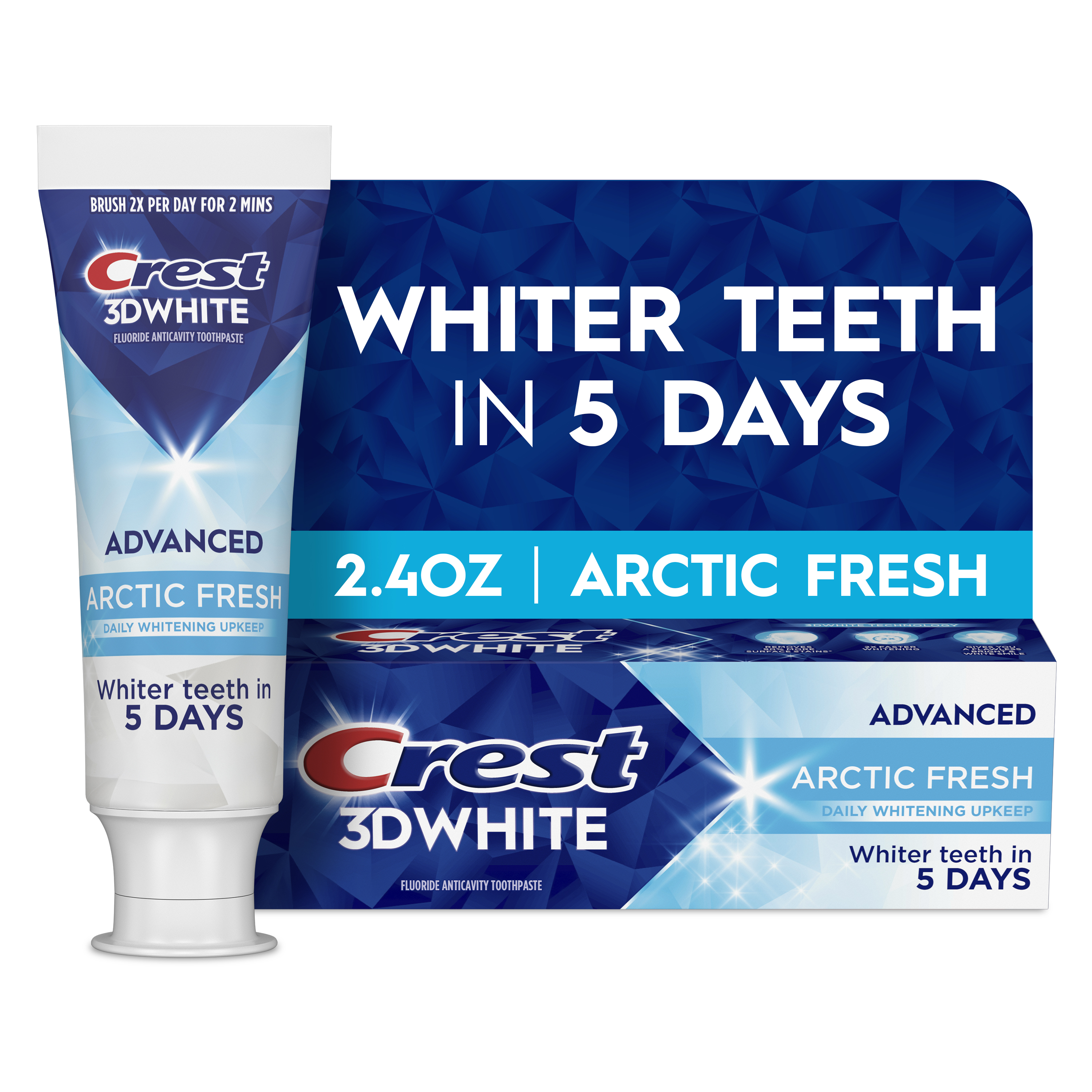
Another advantage of Crest 3D White toothpaste is the variety of options available. Whether you prefer a minty fresh feel like Advanced Radiant Mint or a deep-cleaning formula like Advanced Deep Clean, there’s a product tailored to your needs. Plus, most Crest 3D White toothpastes contain fluoride, so you get cavity protection alongside whitening benefits—something charcoal toothpaste can’t always offer.
Which One Should You Choose?
The answer depends on your goals and your dental health. If you have healthy enamel and want a reliable, gradual whitening solution that also protects against cavities, whitening toothpaste is your best bet. Products like Crest 3DWhite Whitening Toothpaste, Advanced Deep Clean offer a balanced approach—removing stains while keeping your teeth strong and your breath fresh.
If you’re curious about charcoal toothpaste, use it as an occasional booster. For example, you might brush with your regular whitening toothpaste in the morning and use charcoal toothpaste a couple of evenings per week. Always check the label for fluoride content and consider your dentist’s advice, especially if you have sensitive teeth or existing enamel issues.
Tips for Maximizing Whitening Results
No matter which toothpaste you choose, here are some tips to get the best results:
- Brush for two minutes—most people underestimate how long they brush. Use a timer if needed.
- Use a soft-bristled toothbrush to avoid damaging enamel, especially if you’re using an abrasive toothpaste.
- Limit staining foods and drinks like coffee, tea, red wine, and berries. Rinse your mouth with water after consuming them.
- Don’t over-brush—brushing more than three times a day can wear down enamel. Stick to twice daily.
- Pair with a whitening mouthwash for extra stain-fighting power, but avoid using it immediately after brushing to let the fluoride work.
Final Verdict: Whitening Toothpaste Wins for Daily Use
After comparing the mechanisms, safety profiles, and clinical evidence, whitening toothpaste is the clear winner for daily use. It provides consistent, gradual stain removal while protecting enamel and preventing cavities. Charcoal toothpaste can be a fun addition to your routine, but it shouldn’t replace a well-formulated whitening toothpaste like those from the Crest 3D White line. For a reliable, dentist-recommended option that balances effectiveness with safety, choose a product backed by decades of research.
Ready to brighten your smile? Explore the Crest 3DWhite Whitening Toothpaste, Advanced Radiant Mint to start seeing results in just one week. With its advanced stain-fighting formula and refreshing mint flavor, it’s the perfect daily companion for a whiter, healthier smile.