The Best Time to Brush Your Teeth: Morning, Night, or After Meals?
By Crest | Published: 2026-06-25
Category: How-to Guides
Discover the optimal brushing schedule for maximum oral health. Learn when to brush—morning, night, or after meals—and how Crest toothpaste products can enhance your routine.
You already know that brushing your teeth is essential for a healthy smile. But have you ever wondered when you should actually brush? Is it better to brush first thing in the morning, right before bed, or after every meal? The answer isn't one-size-fits-all; it depends on your lifestyle, diet, and oral health goals. In this guide, we’ll break down the science behind the best time to brush, share expert oral hygiene tips, and show you how to optimize your dental care schedule with the right products.
Why Timing Matters for Your Teeth
Your mouth is a dynamic environment. Throughout the day, bacteria feed on food particles and produce acids that attack your enamel. Saliva naturally neutralizes these acids and helps remineralize teeth, but its flow slows during sleep. Brushing at strategic times can reduce plaque buildup, prevent cavities, and keep your breath fresh. Research shows that brushing twice daily—morning and night—is the gold standard recommended by dentists worldwide. But the specific timing can make a significant difference in toothpaste effectiveness.
For instance, brushing in the morning removes the bacteria that accumulated overnight, while evening brushing clears away the day’s food debris and allows fluoride to work while you sleep. Adding an extra brush after meals can help, but timing is crucial—brushing too soon after eating acidic foods can actually damage enamel.
Morning Brushing: Waking Up Your Smile
Brushing first thing in the morning is non-negotiable for most people. Overnight, bacteria multiply and form a film on your teeth and tongue, leading to morning breath. A thorough morning brush removes this biofilm and gives you a fresh start. It also kick-starts saliva production, which helps protect your teeth throughout the day.
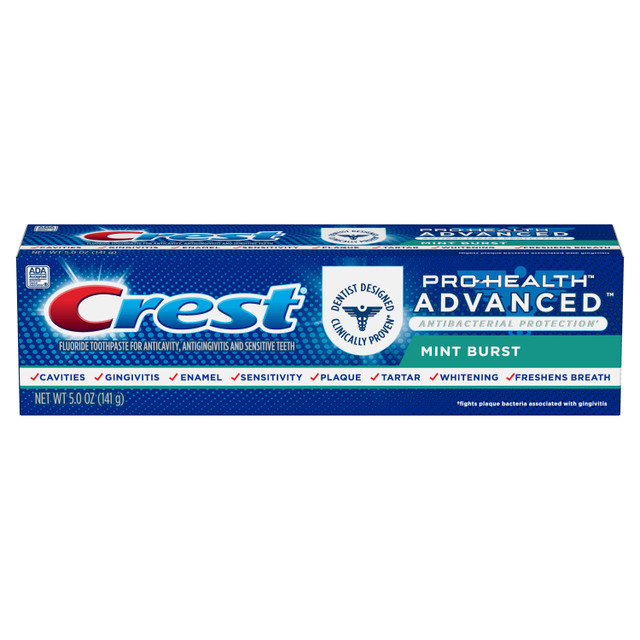
For the best results, use a toothpaste that targets morning-specific concerns like bacteria control and fresh breath. Crest Pro-Health Advanced Antibacterial Protection Toothpaste is an excellent choice because it fights plaque-causing bacteria on multiple surfaces, including teeth, cheeks, and gums. Its antibacterial formula provides lasting protection, making it ideal for your a.m. routine.

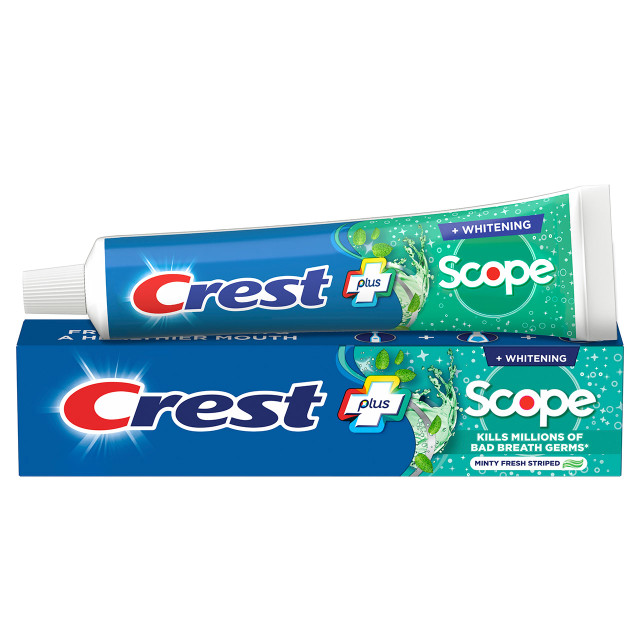
Another option for a refreshing start is a toothpaste that combines whitening with breath-freshening ingredients. Crest Whitening Plus Scope Toothpaste delivers both—it removes surface stains while leaving your mouth feeling clean and minty. This is perfect for those who want a brighter smile and fresh breath before heading out the door.
Night Brushing: Protecting Your Teeth While You Sleep
Evening brushing is arguably the most important part of your brushing routine. During the day, your mouth produces enough saliva to wash away food particles and neutralize acids. But at night, saliva flow decreases, making your teeth more vulnerable to decay. Brushing before bed removes plaque and food residue, and the fluoride from your toothpaste stays on your teeth longer, providing overnight protection.
For nighttime, choose a toothpaste with a high concentration of fluoride or one that targets tartar control. Crest Plus Tartar Protection Toothpaste, Whitening Cool Mint is formulated to prevent hard tartar buildup while whitening your teeth. Its cool mint flavor also leaves your mouth feeling fresh before you hit the pillow.
Brushing After Meals: Helpful or Harmful?
Many people wonder if they should brush immediately after lunch or dinner. The answer depends on what you ate. If you consumed acidic foods like citrus fruits, soda, or coffee, your enamel is temporarily softened. Brushing right away can scrub away the softened layer, leading to erosion and sensitivity. Dentists recommend waiting at least 30–60 minutes after eating to allow your saliva to neutralize the acids and re-harden your enamel.
If you can't wait that long, rinse your mouth with water or chew sugar-free gum to stimulate saliva. Then, when you do brush, use a gentle, non-abrasive toothpaste. For a midday refresh, consider a toothpaste that fights enamel erosion and strengthens teeth. Crest Pro-Health Whitening Gel Toothpaste is a great choice because it protects against acid erosion while whitening, making it safe for after-meal use when properly timed.
Optimizing Your Daily Dental Care Schedule
To get the most out of your oral hygiene routine, follow this simple schedule:
- Morning (after breakfast): Brush for two minutes with an antibacterial or whitening toothpaste. Wait 30 minutes after eating if you had acidic foods.
- After lunch (optional): Rinse with water or use a fluoride mouthwash. If you brush, wait 30–60 minutes after eating.
- Night (before bed): Brush thoroughly with a fluoride or tartar-control toothpaste. Floss and use mouthwash if desired.
Consistency is key. Sticking to this schedule ensures that you’re protecting your teeth at the most vulnerable times. Remember, using the right toothpaste for each session maximizes benefits. For example, a whitening formula in the morning and a tartar-control formula at night can address different needs throughout the day.
Common Mistakes to Avoid
Even with the best intentions, many people make errors in their brushing routine. Here are a few pitfalls to watch out for:
- Brushing too hard: Aggressive brushing can damage gums and enamel. Use a soft-bristled brush and gentle circular motions.
- Brushing immediately after eating: As mentioned, wait at least 30 minutes after acidic meals to avoid enamel erosion.
- Skipping the night brush: This is the most critical brushing session—never skip it.
- Using the wrong toothpaste: Choose a toothpaste that matches your primary concern, whether it’s whitening, sensitivity, or antibacterial protection.
How Your Toothpaste Choice Affects Timing
The effectiveness of your brushing routine depends heavily on the toothpaste effectiveness for your specific needs. Different ingredients work best at different times:
| Time of Day | Recommended Toothpaste Type | Key Benefits |
|---|---|---|
| Morning | Antibacterial or Whitening | Removes overnight bacteria, freshens breath, whitens |
| After Meals | Enamel-strengthening or gentle whitening | Protects against acid erosion, cleans without abrasion |
| Night | Fluoride-rich or Tartar Control | Prevents cavities, fights plaque and tartar buildup |
For a comprehensive approach, consider having two different toothpastes in your bathroom cabinet. For example, use a whitening formula in the morning and a tartar-control formula at night. This strategy ensures you’re addressing both cosmetic and health needs without overlap.
Expert Tips for a Perfect Brushing Routine
Here are a few additional oral hygiene tips from dental professionals:
- Don’t over-brush: Brushing more than three times a day can irritate gums and wear down enamel. Stick to twice daily, with an optional third brush after a high-sugar meal.
- Store your brush properly: Keep it upright and uncovered to allow it to dry. Replace it every 3–4 months or after illness.
- Use the right technique: Angle your brush at 45 degrees to the gum line and use short, gentle strokes. Spend 30 seconds on each quadrant of your mouth.
- Don’t forget your tongue: Gently brush your tongue or use a tongue scraper to remove bacteria and improve breath.
Final Thoughts: Your Best Routine Starts Today
Understanding the best time to brush your teeth is a game-changer for your oral health. By brushing in the morning to start fresh, at night to protect your teeth, and after meals only when safe, you can significantly reduce your risk of cavities, gum disease, and bad breath. Pair your routine with high-quality toothpaste from Crest, and you’ll see noticeable improvements in both health and aesthetics.
Ready to upgrade your dental care schedule? Explore Crest Plus Tartar Protection Toothpaste, Whitening Cool Mint for your evening routine and experience the difference a tailored brushing schedule can make. Your smile will thank you!